
Posts by disheradmin
Human-Centered Design and the Trends Reshaping Product Development in 2026

Human-centered design remains foundational 鈥� but the tools and trends shaping product development have shifted fast. Here’s what product developers need to know in 2026.
Read MoreThe Benefits and Types of Manufacturing Automation in 2026

Automation in manufacturing saves money, increases productivity, and reduces waste. Learn how manufacturers are using AI and automation in 2026 鈥� and how DISHER can help.
Read MoreWhat Manufacturing Tasks Shouldn’t Be Automated?
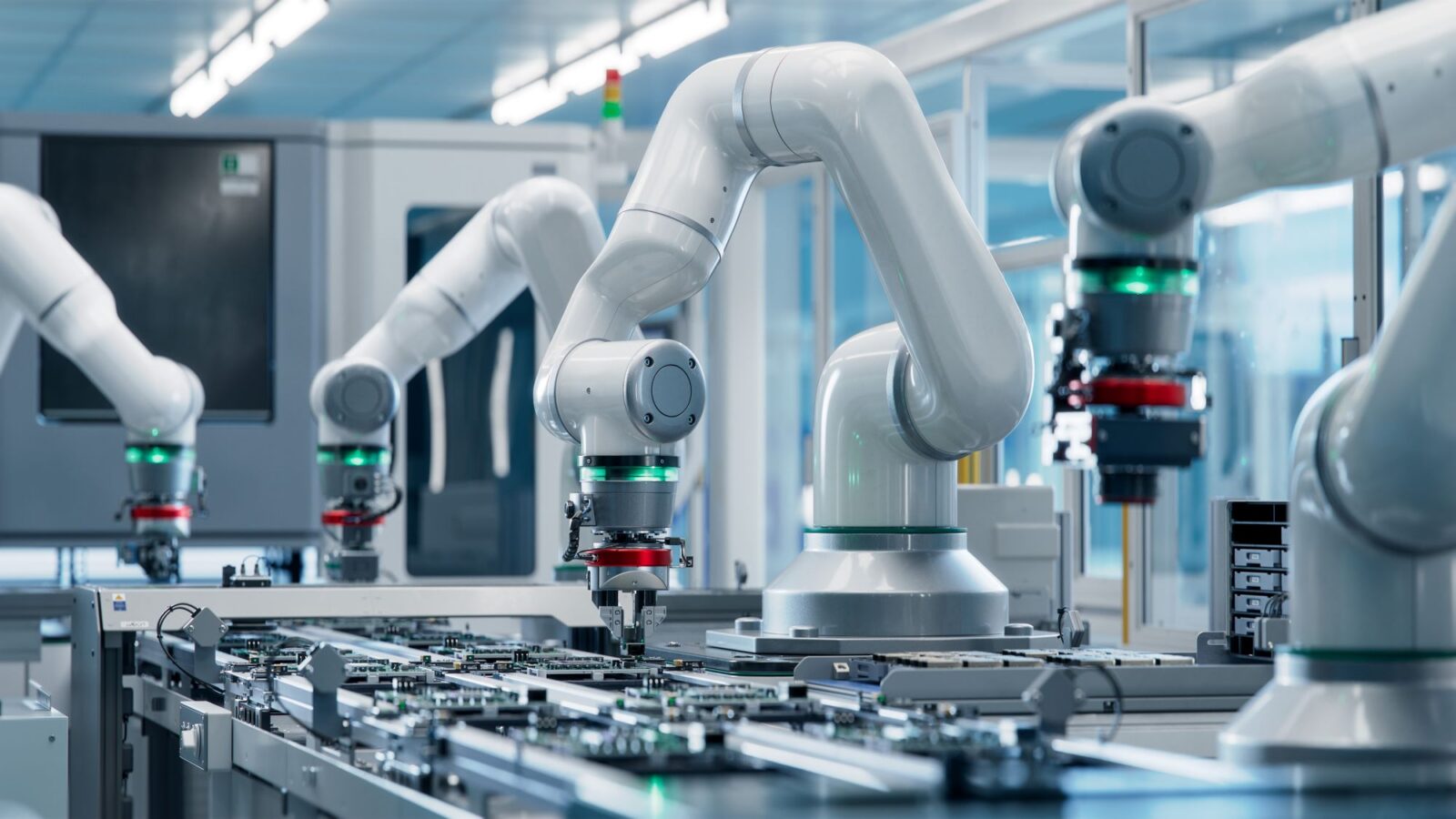
Automation is one of the most powerful tools available to manufacturers today, so much so that if聽you鈥檙e聽not at least thinking about where to automate,聽you鈥檙e聽probably falling聽behind.聽Automation聽reduces waste, speeds up production, and takes repetitive, physically demanding work off the plates of your people.聽But the part that聽doesn鈥檛聽get talked about enough is that聽automation聽isn鈥檛聽the聽right answer for everything.聽聽 In our experience聽working…
Read MoreThe Best (and Worst) Materials for Food Processing Equipment
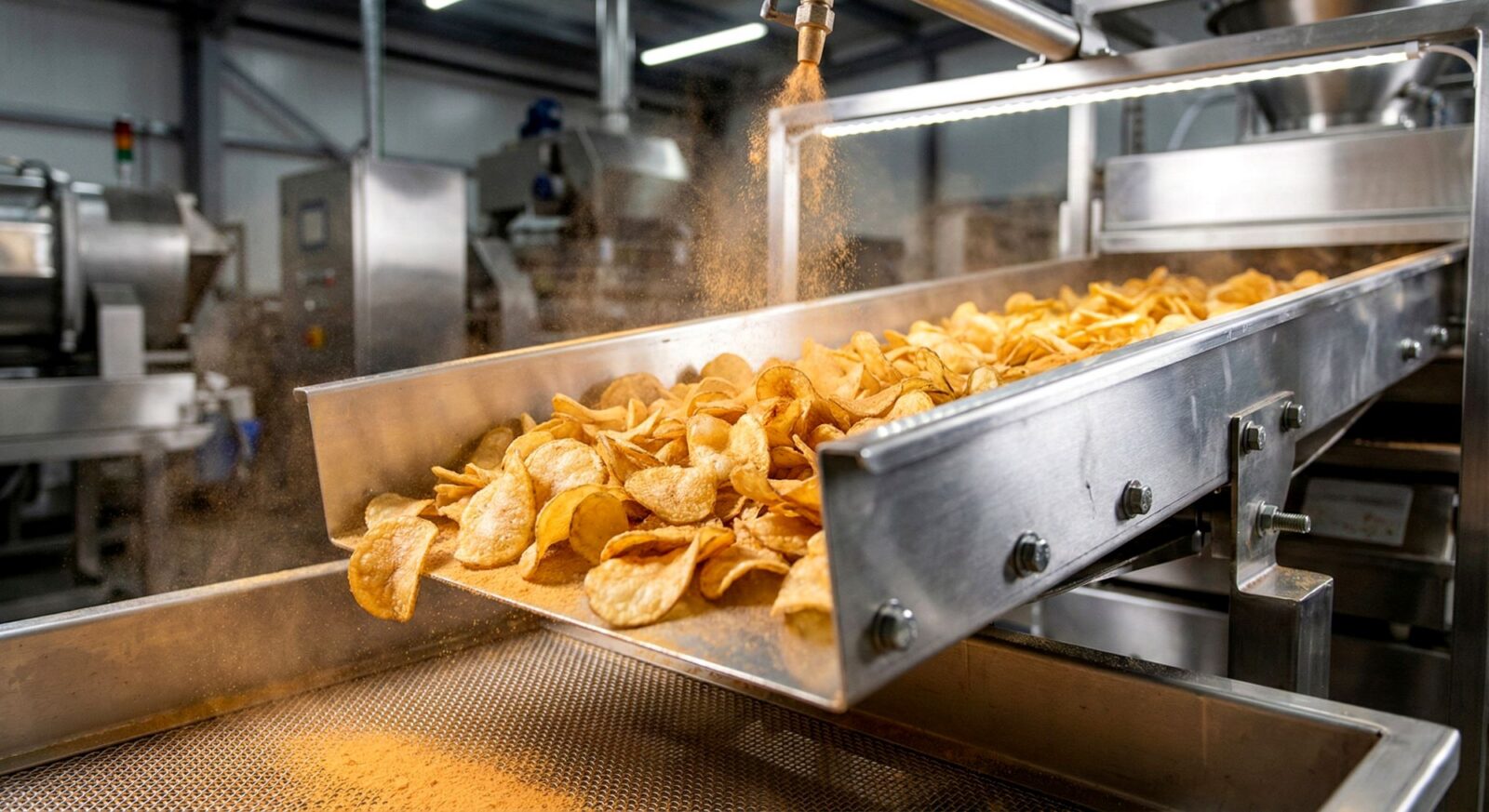
Choosing the wrong material for your food processing equipment is one of those decisions that probably won鈥檛 hurt you right away. It shows up later in a failed inspection, a contamination event, or a line shutdown that you weren鈥檛 prepared for. If you鈥檙e designing or upgrading food processing equipment, material selection isn鈥檛 just a mechanical checklist item. It affects sanitation, regulatory compliance, product…
Read MoreDesign Verification vs. Validation for Medical Devices

If you work in聽medical device development, you have聽probably heard聽these two terms in the same sentence more than once: verification and validation. And if聽you鈥檙e聽honest, you might admit that聽the line聽between them聽still聽feels a little blurry.聽聽 You鈥檙e聽not alone. Even highly experienced engineers use them聽interchangeably or聽treat them as the same regulatory checkbox. They are not. The FDA and聽ISO 13485聽treat them…
Read MoreHow to Build a Continuous Improvement Culture
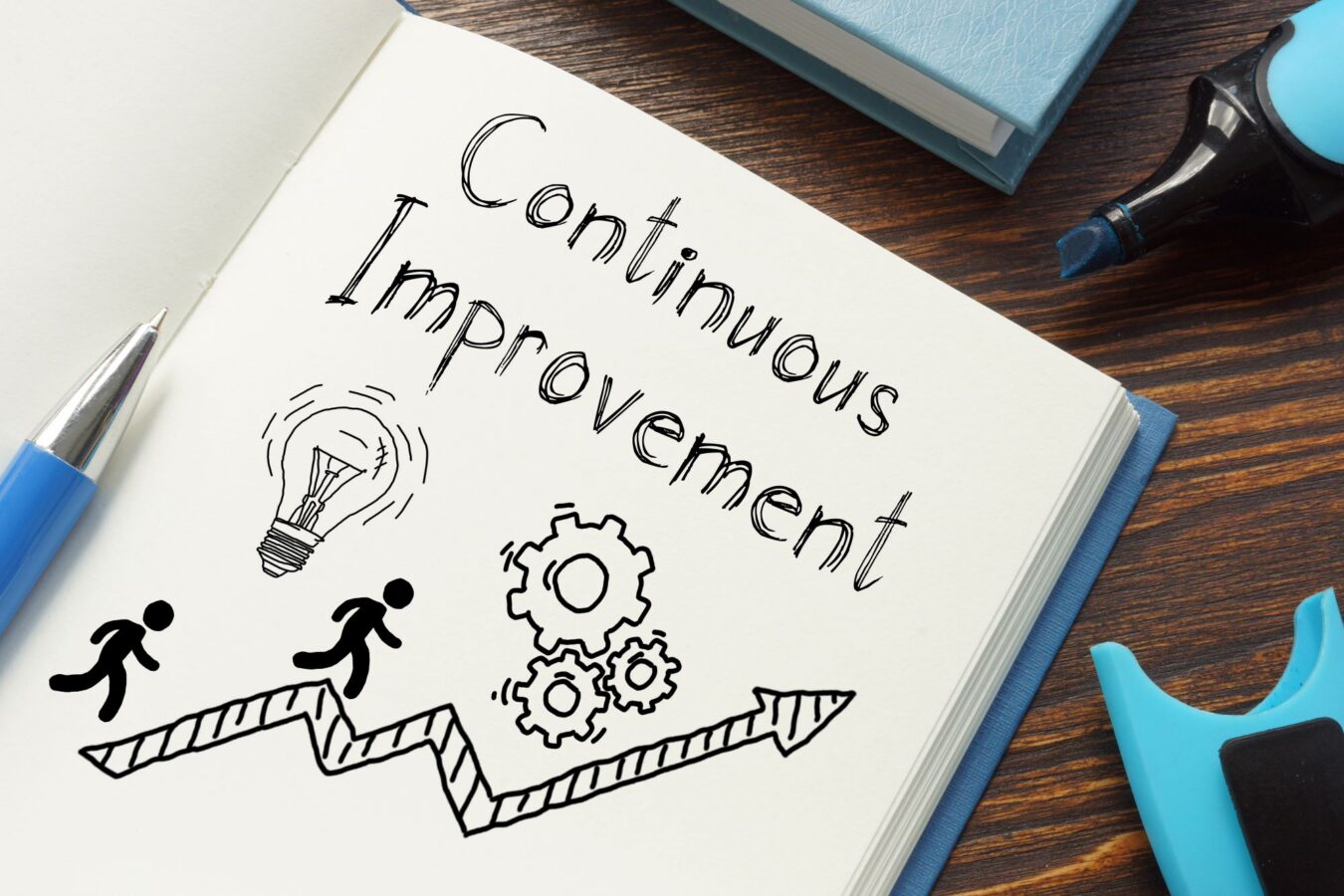
Building a continuous improvement (CI) culture 鈥� one where people look for problems, suggest better ways, and follow through 鈥� takes more than a methodology like Lean or Six Sigma. It takes intentional leadership, putting the right structures in place, and a team that believes their voices are heard and their input matters. If your team isn鈥檛 there yet, that鈥檚 okay. Honestly, most aren鈥檛. Continuous improvement is a journey that never ends, but it does have a beginning. Let鈥檚 look at what…
Read MoreHow Many Prototypes Should I Make? How Do I Know When to Stop?
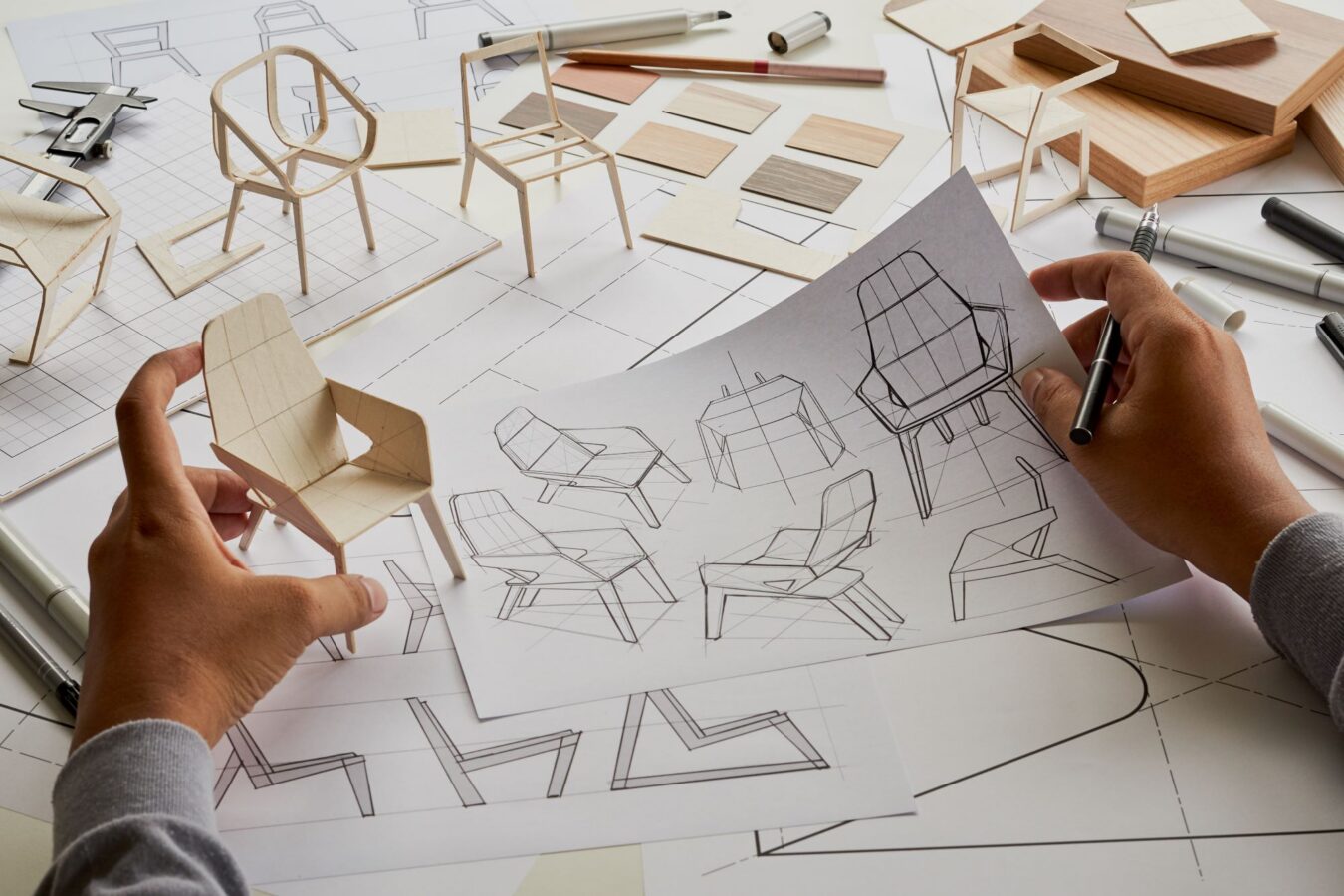
Every prototype costs time and money. And at some point, you’ll look at the most recent one shoved to the back of a workbench and think, 鈥淲hat test was this one for again?鈥� Many engineering and product teams spend days and dollars on habitual prototyping routines that stretch away from the critical path, burning runway quickly but building design confidence slowly. At 麻豆传媒AV在线看, we鈥檝e helped teams work through this exact scenario. In this article I鈥檒l explain how many prototypes are typically needed,…
Read MoreWhat Is Cold Chain Packaging? Plus 3 Use Cases

You’ve spent months, maybe years, developing a product. And then the product lands at its destination compromised, out of range, or completely ruined because the packaging couldn’t hold temperature during transit. It’s a frustrating and costly problem. And it’s more common than most teams expect. If you’re developing a temperature-sensitive product in the food and…
Read MoreWhat Happens If My Contract Engineer Quits Mid-project?

It鈥檚 a fair question, and one that more engineering leaders are asking before they sign on with a contract engineering firm like us. You鈥檙e about to hand off a critical piece of work to someone outside of your organization. Project timelines are tight, institutional knowledge is hard to transfer, and finding qualified engineers is never easy. If something goes sideways…
Read MoreLean vs. Six Sigma: What’s the Difference and Which Is Right for My Manufacturing Team?

Continuous improvement聽isn鈥檛聽optional in聽manufacturing,聽but missed聽takt聽times, rising scrap, and overloaded engineers make聽how聽you improve just as if you improve.聽 Lean and Six Sigma are two of the most trusted continuous improvement strategies in the world. Both have helped manufacturing teams reduce waste, improve quality, and increase profitability, but they鈥檙e each designed to solve different types of problems. In this article, I鈥檒l explain: …
Read More