
The Best (and Worst) Materials for Food Processing Equipment
May 28, 2026 | 2 min read
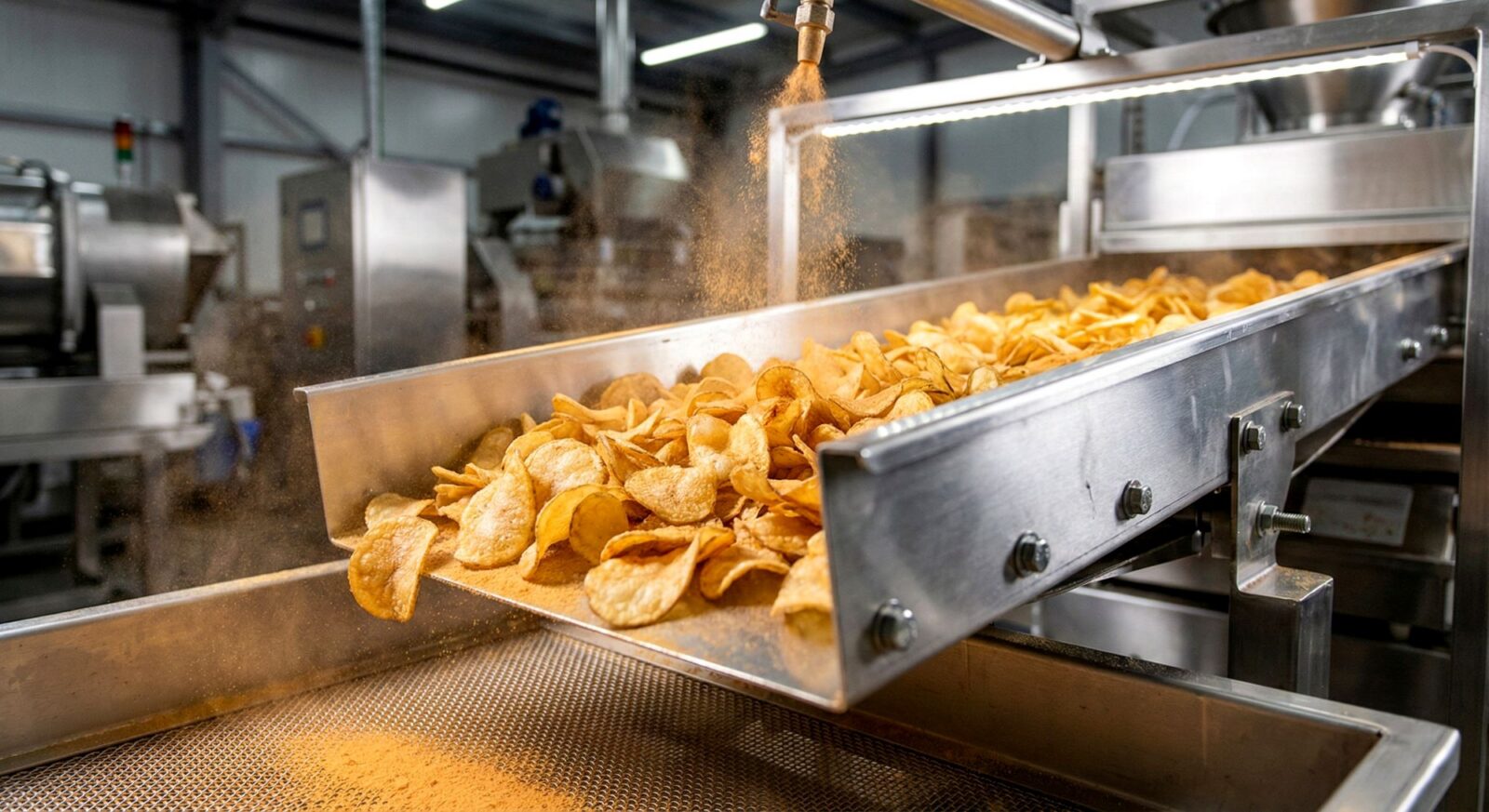
Choosing the wrong material for your food processing equipment is one of those decisions that probably won鈥檛 hurt you right away. It shows up later in a failed inspection, a contamination event, or a line shutdown that you weren鈥檛 prepared for.
If you鈥檙e designing or upgrading food processing equipment, material selection isn鈥檛 just a mechanical checklist item. It affects sanitation, regulatory compliance, product safety, and long-term maintenance costs. So, the wrong call can be expensive.
奥别鈥檝别&苍产蝉辫;worked with food and beverage manufacturers across a wide range of product types, and we鈥檝e seen firsthand how material decisions play out on the plant floor. This article explains which materials hold up and which ones don鈥檛.
Key Takeaways
- The best material depends on your specific product, cleaning protocols, and operating conditions. There is no universal “best” answer.
- 316L stainless steel is the gold standard for food-contact surfaces due to its corrosion resistance and cleanability.
- 304 stainless steel is a reliable workhorse for general equipment but has limitations in high-chloride and high-acid environments.
- Food-grade plastics like HDPE, PTFE, and polypropylene are excellent in the right applications, but they’re not interchangeable.
- Carbon steel, galvanized steel, and untreated aluminum should be avoided on food-contact surfaces.
Why Does Material Selection Matter So Much in Food Processing?
In most industries, material selection comes down to strength, cost, and lifespan. Food processing adds a few more variables: chemical exposure from cleaning agents, biological contamination risk, regulatory compliance, and physical demands of sanitary design.
The , , and all have specific requirements for materials that contact food or food-contact surfaces. A material might be mechanically sound and still fail compliance review if it鈥檚 porous, reactive, or difficult to clean to the required standard.
Beyond compliance, the wrong material can quietly degrade over time, leaching into products, harboring bacteria in surface pits, or corroding under repeated CIP (clean-in-place) cycles. By the time you notice the problem, the damage will have already been done.
CASE STUDY: Reducing Food Waste with a Drying and Milling System >>
What Are the Best Materials for Food-Contact Surfaces?
316L Stainless Steel: The Industry Standard
If there鈥檚 a clear winner in food processing material selection, it鈥檚 316L stainless steel. The 鈥楲鈥� designation means low carbon, which reduces the risk of carbide precipitation during welding 鈥� an important detail for anyone building or modifying equipment in the field.
316L鈥檚 molybdenum content provides strong resistance to chloride corrosion, which matters when your cleaning protocols involve sodium hypochlorite (bleach) or other chloride-based sanitizers. It鈥檚 also non-porous, easy to passivate, and widely accepted by 3-A, FDA, and USDA standards.
In our experience, 316L is the right default choice for anything that directly contacts food, such as tanks, conveyors, hoppers, filling heads, and piping. If you鈥檙e not sure which material to specify, start here.
304 Stainless Steel: A Reliable Workhorse with Caveats
304 stainless steel is widely used in food processing equipment because it鈥檚 durable, readily available, and less expensive than 316L stainless steel. For equipment that doesn鈥檛 directly contact food, or for use in low-chloride environments, 304 is a solid choice.
The issue is that 304 stainless steel doesn鈥檛 have the molybdenum protection of 316L, making it more vulnerable to pitting corrosion in high-chloride or high-acid environments. If your facility uses aggressive CIP chemicals or processes acidic products (like citrus juices or vinegar-based sauces), 304 may degrade faster than expected.
Use 304 where it makes sense, in places like structural frames, equipment housings, and non-contact surfaces. Just don鈥檛 default to it everywhere to save a few dollars upfront.
High-Density Polyethylene (HDPE): A Versatile Food-Grade Plastic
HDPE is a go-to material for cutting boards, tank liners, pipe fittings, and some conveyor components. It鈥檚 lightweight, chemically resistant, and approved for food contact under . It鈥檚 also relatively affordable compared to stainless steel.
The main limitation is mechanical wear. HDPE surfaces can scratch and score over time, and those grooves become potential harborage points for bacteria. High-pressure scrubbing helps, but abrasive cleaning can accelerate surface damage. For cutting board applications specifically, replacement schedules matter more than people often realize.
Polytetrafluoroethylene (PTFE)/Teflon: Excellent for Seals and Coatings
PTFE is the material of choice for gaskets, seals, valve seats, and non-stick coatings. Its extremely low surface energy means food products don鈥檛 adhere to it well, which is a great advantage in sticky or high-sugar applications. It鈥檚 also chemically inert across a wide range of temperatures and cleaning agents.
The thing to watch out for with PTFE is wear. It鈥檚 a soft material, so repeated mechanical contact can cause degradation or flaking. Regular inspection of PTFE-coated or PTFE-component equipment is important, especially in high-speed or high-contact applications.
Polypropylene: Lightweight and Cost-Effective
Polypropylene shows up frequently in piping systems, tanks, and storage containers. It handles a wide range of chemicals well, is FDA-compliant for food contact, and costs significantly less than stainless alternatives.
It does have temperature limitations. Polypropylene starts to soften around 130掳C (266掳F), which rules it out for high-heat sterilization environments or steam-in-place (SIP) systems. Know your operating temperature range before specifying this material.
What Materials Should You Avoid in Food Processing Equipment?
Some materials show up in food processing facilities simply because they were cheap or convenient, not because they were right for the application.听听
Carbon Steel: Never on Food-Contact Surfaces
Carbon steel rusts. It can work for structural elements that never contact food or cleaning chemicals, but it has no place on food-contact surfaces. Rust is a contamination risk, and carbon steel is nearly impossible to keep compliant in a food processing environment long-term.
奥别鈥檝别&苍产蝉辫;seen facilities inherit equipment with carbon steel components that were painted or coated to pass initial inspections. Those coatings chip, crack, and peel, creating their own contamination risk on top of the underlying corrosion problem.
Galvanized Steel: A Hidden Compliance Risk
Galvanized steel is coated with zinc to prevent corrosion. The problem in food processing is that zinc can leach into food products, especially under acidic conditions. The FDA specifically restricts the use of galvanized materials in contact with food.
Galvanized steel is common in general construction and some agricultural settings, which means it sometimes appears in older food facilities or in equipment that wasn鈥檛 purpose-built for food contact. If you鈥檙e auditing an existing facility, galvanized components in food zones should be flagged immediately.
Standard Aluminum: Proceed with Caution
Aluminum isn鈥檛 automatically off the table. Anodized or hard-coated aluminum can be acceptable in certain applications. But standard untreated aluminum corrodes in alkaline conditions, which describes most CIP cleaning solutions. Pitting corrosion creates rough surfaces that are difficult to clean and can harbor bacteria.
Aluminum also reacts with acidic food products over time. If you鈥檙e processing anything with a low pH (e.g., tomato-based products, citrus, vinegar), aluminum contact surfaces are a problem waiting to happen.
Material Comparison: Quick Reference for Food Processing Applications
Use this table as a starting point, not听a final answer. Your specific application, cleaning protocols, and operating conditions should always drive the final decision.听
| Material | Use Cases | Corrosion Resistance | Cost | Notes |
|---|---|---|---|---|
| 316L Stainless Steel | Food contact, structural | Excellent | High | Best choice for most food-contact surfaces |
| 304 Stainless Steel | General equipment | Very good | Moderate | Avoid high-chloride environments |
| HDPE | Cutting boards, tank liners | Good | Low | Easy to clean, but avoid abrasive scrubbing |
| PTFE (Teflon) | Seals, gaskets, coatings | Excellent | Moderate | Great non-stick, but inspect regularly for wear |
| Polypropylene | Piping, tanks | Good | Low | Limited high-temp use |
| Carbon steel | Structural only | Poor | Low | Never use on food-contact surfaces |
| Galvanized steel | Avoid in food zones | Poor | Low | Zinc leaching risk; not acceptable for food contact |
| Aluminum | Limited use | Fair | Low | Can pit and corrode; requires anodizing or coating |
How Do Cleaning Materials Affect Material Selection?
Material performance doesn鈥檛 happen in isolation, but in the context of how your facility cleans. CIP systems, COP (clean-out-of-place) processes, and sanitation chemical choices all affect how your materials hold up over time.
Chlorinated alkaline cleaners are common in food processing, but chlorides are also one of the primary causes of stainless steel pitting corrosion, particularly in 304-grade applications. If your facility runs aggressive CIP cycles with high chloride concentrations or high temperatures, you need materials that can handle it.
Acid-based cleaners (e.g., phosphoric acid, citric acid) are used to remove mineral scale but can accelerate corrosion in aluminum or improperly passivated stainless steel. And sanitizers like peracetic acid, while effective, can degrade certain elastomers and PTFE coatings over time.
Tip from the Field
When evaluating a new production line or equipment upgrade, ask your sanitation team what chemicals they use and at what concentrations before听finalizing听material specs.听It鈥檚听a five-minute conversation that can save you significant work.
What Regulations Govern Material Selection in Food Processing Equipment?
Regulatory compliance听isn鈥檛听optional in food manufacturing, and听it鈥檚听worth understanding which听standards听apply to your operation before you听finalize听equipment specs.听
- 罢丑别听听covers materials that contact food, with specific provisions for plastics, metals, and coatings.听
- 听has听its own requirements for meat and听poultry听processing facilities.
- 听provide听detailed guidance on equipment design and material requirements for dairy and other processing applications.听听
- 听also certifies听materials听and equipment for food safety, and many processors听require听NSF-certified components as a baseline standard.听
- 听sets hygienic design guidelines and engineering standards for food processing equipment across Europe and globally.听
If听you鈥檙e听operating听in a HACCP-based food safety system (which most facilities are), material selection feeds directly into your hazard analysis. Non-compliant materials听aren鈥檛听just a regulatory problem, but a documented hazard that requires a control plan.听听
Compliance Note
Always confirm your regulatory requirements with your food safety team or a qualified consultant for your specific product type and processing environment. 21 CFR, USDA FSIS, and 3-A standards each have nuances that depend on what听you鈥檙e听processing and how.听
How to Select a Material for a New or Upgraded Line
There鈥檚听no universal answer, and anyone who tells you otherwise is oversimplifying. Material selection depends on your product, your process, your cleaning protocols, your budget, and your regulatory environment. The goal is听to find听the right material for your specific application, not the 鈥榖est鈥� material in the abstract.听听
Here鈥檚听a practical framework we use when working through materials听selection听with food processing clients:听听
- Define the exposure:听What food products will contact this surface?听What鈥檚听the pH? Are there abrasives or particulates?听
- Understand the cleaning environment:听What chemicals are used? At what temperature and concentration? How often?听
- Clarify regulatory requirements:听Is this USDA, FDA, 3-A, NSF? What certification level is听required?听
- Evaluate temperature range:听What鈥檚听the operating temperature? Are SIP or CIP cycles involved?听
- Consider the full lifecycle cost:听A higher upfront material cost often reduces maintenance, replacement, and downtime costs over time.听
- Involve your sanitation team early:听They鈥檒l听reveal听constraints that engineering and procurement often miss.听听
麻豆传媒AV在线看鈥檚 Manufacturing Solutions team听supports听food and beverage manufacturers with equipment design, process engineering, and production optimization. If听you鈥檙e听working through a material selection challenge and want a second set of eyes,听we鈥檙e听happy to talk through it. You can听contact us here.听听
Written By:

Steve Manni-Pohler, PE
Project Engineer
DISHER Newsletter
Sign up to receive articles and insights, delivered monthly.
Schedule a no-committment project call
Reach out to discuss your project to find out if DISHER could be a good fit for you.