
How Many Prototypes Should I Make? How Do I Know When to Stop?
Apr 28, 2026 | 2 min read
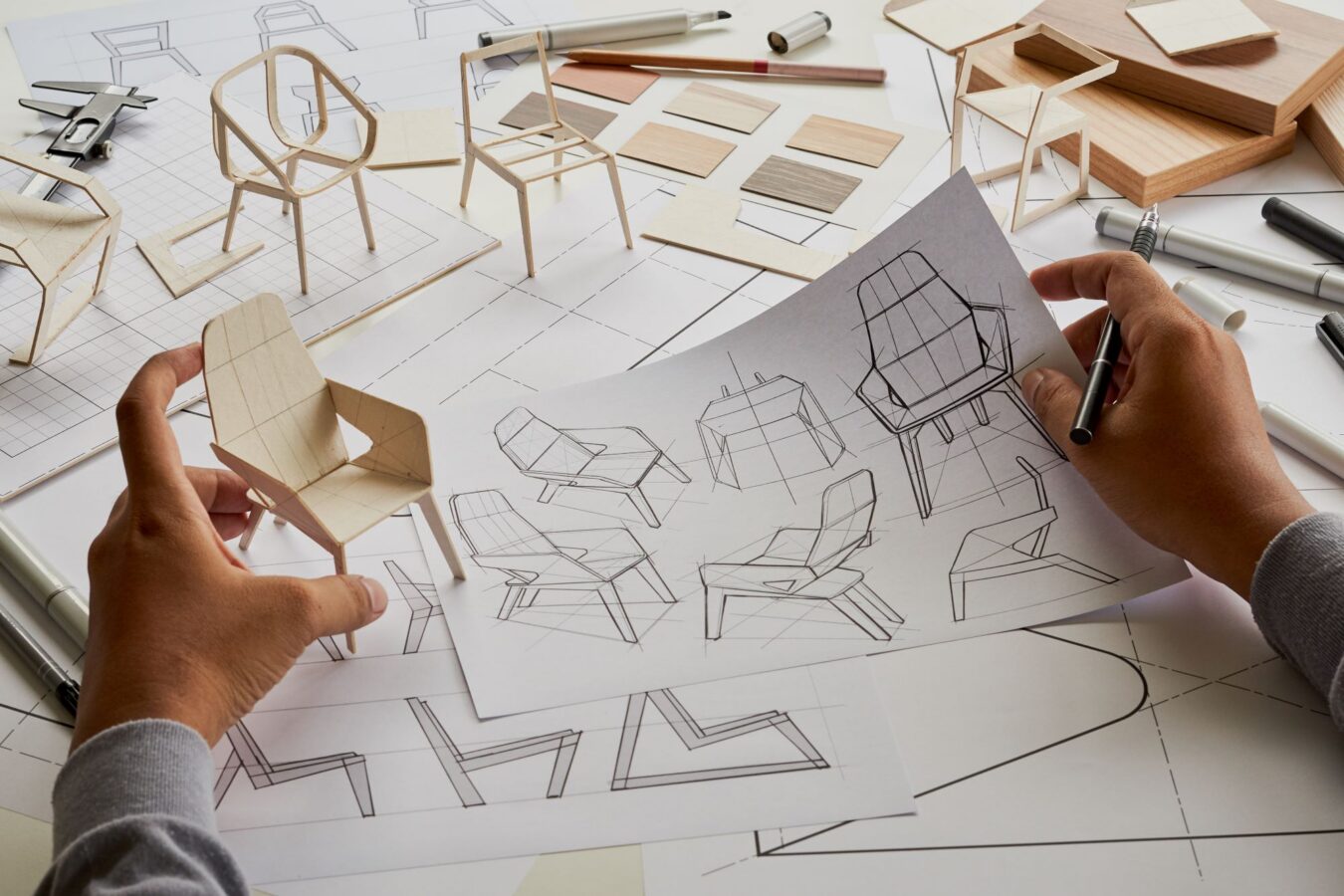
Every prototype costs time and money. And at some point, you’ll look at the most recent one shoved to the back of a workbench and think, 鈥淲hat test was this one for again?鈥� Many engineering and product teams spend days and dollars on habitual prototyping routines that stretch away from the critical path, burning runway quickly but building design confidence slowly.
At 麻豆传媒AV在线看, we鈥檝e helped teams work through this exact scenario. In this article I鈥檒l explain how many prototypes are typically needed, factors that number depends on, and the clear signs that it鈥檚 time to stop prototyping and move forward.
Key Takeaways
- There鈥檚听no fixed number of prototypes, but most products go through听3-7 meaningful iterations听
- Each prototype should answer a听specific question or reduce a key risk听
- You should stop prototyping when听you鈥檙e听no longer learning anything new听
- Over-prototyping听(fidelity or quantity)听is a common mistake听that听can听balloon cost and听delay time to market听
- The goal听isn鈥檛听perfection, but confidence听that the design will work in the real world听
How Many Prototypes Do You Need?
Short answer: You need enough prototypes to reduce your biggest risks, but no more than that.
From my experience, for most product teams this ends up being:
- 3-5 prototypes for simpler products听
- 5-7听prototypes for more complex or highly regulated designs听
But it鈥檚 important to remember that the number itself isn鈥檛 what matters. What matters is that each prototype has a clear purpose. If you can鈥檛 explain what you鈥檙e testing or learning, you probably don鈥檛 need another prototype.
My team has worked with teams that built 10+ prototypes before coming to us. In many cases, the issue wasn鈥檛 the design, but a lack of a clear testing plan. Once we helped them define what needed to be proven and what risks mattered most, they were able to move forward with just one or two more targeted iterations.
On the flip side, we鈥檝e also seen teams try to skip prototyping altogether. That usually leads to expensive problems during manufacturing or after launch. So, the right number should sit somewhere in between.
What Each Prototype Should Do for You
A common mistake is treating every prototype like a mini version of a final product. That slows things down and increases cost. Instead, think of prototypes as tools to answer questions.
Here鈥檚 how that usually looks.
1. Early Concept Prototypes (Proof of Idea/Looks Like)
These are quick, rough, and often just images or ugly prototypes. Their purpose is to test core functionality, validate basic concepts, get user feedback, and identify obvious design flaws. At this stage, speed matters more than polish.
Some examples might be sketches or renderings, 3D-printed parts, breadboard electronics, and foam or cardboard models.
2. Functional Prototypes (Proof of Performance/Works Like)
狈辞飞&苍产蝉辫;测辞耻鈥檙别&苍产蝉辫;补蝉办颈苍驳:&苍产蝉辫;Does this actually work the way we expect?
This is where many design issues show up for the first time. So, the purpose of functional prototypes is to test key functions under real conditions, evaluate performance and reliability, and refine critical components.
Some examples might be working assemblies, integrated systems, and early firmware/software interaction. These are often partial prototypes of key areas with realistic constraints built around them.
3. Pre-production Prototypes (Proof of Readiness)
These are close to what you鈥檒l manufacture. You鈥檙e no longer exploring ideas but building confidence. You may use these prototypes to validate manufacturability, confirm tolerances and materials, or further test user experience and user ability.
These types of prototypes are often used in pilot runs and beta units for unsupervised user testing.
How Do You Know When to Stop Prototyping?
This is the question most teams struggle with. And I get it 鈥� prototyping can be fun! But here are the clearest signals that听it鈥檚听time to move forward because you might be wasting valuable time and money.听听
1. You’re Not Learning Anything New
Ask yourself if听you鈥檙e听discovering any听new issues听or making any meaningful improvements with each iteration. If the answer is no,听you might听be done.听
2. Your Biggest Risks Are Resolved
Every product has risks. Will it function reliably? Can you manufacture it consistently? Will users understand how to use it? And so on. Your job is to uncover and squash them.听Once your top risks are addressed, more prototypes听won鈥檛听add much value.听听
3. The Remaining Changes Are Minor
If听you鈥檙e听only tweaking cosmetic details, small tolerances (like,听really small), or any听non-critical features, it may be time to stop prototyping听and move into production听planning or听reduce your prototype fidelity to quickly address the听small changes.听
4. The Cost of Another Prototype Outweighs the Benefit
At some point, each听additional听prototype gives you less return on your investment. If听you鈥檙e听spending听weeks of time or thousands of dollars just to make small improvements, you may be at the point where听it鈥檚听not worth it anymore.听
Common Mistakes That Lead to Too Many Prototypes
Even experienced teams can fall into the trap of making too many prototypes.听These are听what听I believe this problem听typically stems from.听听
- Trying to perfect everything before moving forward.听Waiting until everything feels 鈥渏ust right鈥� can delay your launch indefinitely.听Instead,听aim for functional reliability, manufacturability,听acceptable user experience, and听contingency plans听for continuous improvement.听
- Skipping clear goals for each prototype.听If your team听can鈥檛听answer, 鈥淲hat are we testing with this version?鈥澨齳ou鈥檙e听likely wasting听time. Ensure a clear听objective听and defined success criteria for each prototype, and听don鈥檛听make more听prototypes听than you need.听听
- Not testing in real conditions.听Lab results can look great, but real-world use is different.听Don鈥檛听skip out on real-use testing.听Check听the constraints and boundary conditions for partial prototypes.听
- Letting too many stakeholders听drive听iteration.听More opinions often lead to more changes, and more prototypes. At some point, you need to prioritize decisions and align on what 鈥済ood enough鈥� means.听
A Simple Framework to Decide If You Need Another Prototype
If you鈥檙e unsure whether to build another version, use this quick check:
Build another prototype only if:
- There鈥檚听a specific question you need answered听
- There鈥檚听a real risk still unresolved听
- The result will change a decision听
If none of those are true,听you鈥檙e听probably ready听to move forward.听听
Not Sure Where You Are in the Process? Need Help Bringing Your Idea to Life?听
If听you鈥檙e听unsure whether you need another prototype or just feel like your听product development听project is dragging, an outside perspective can help. At 麻豆传媒AV在线看, we work with teams to听identify听the right level of prototyping, focus on high-risk areas, and move from concept to production with confidence.听We鈥檇听be happy to have a conversation about how we can help.听Reach out here听to听get started.听听
Written By:

Drew Morgan
Concept Engineer
DISHER Newsletter
Sign up to receive articles and insights, delivered monthly.
Schedule a no-committment project call
Reach out to discuss your project to find out if DISHER could be a good fit for you.